Austria Versus Mali Two Flags: A Powerful Visual Concept for Modern Designers
In the world of graphic design, illustration, and branding, visual storytelling has become a cornerstone of effective communication. One compelling concept that’s gaining traction is the Austria Versus Mali Two Flags design — a striking comparison between two distinct national identities using their official flags in a 3D waving format. This type of illustration not only serves as an artistic representation but also taps into broader cultural, political, and creative trends. Whether you're a designer, marketer, or educator, understanding how to use and adapt such visuals can enhance your work significantly.
The Significance of National Flags in Contemporary Design
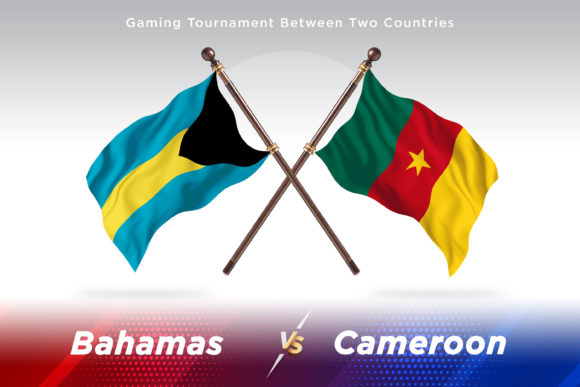
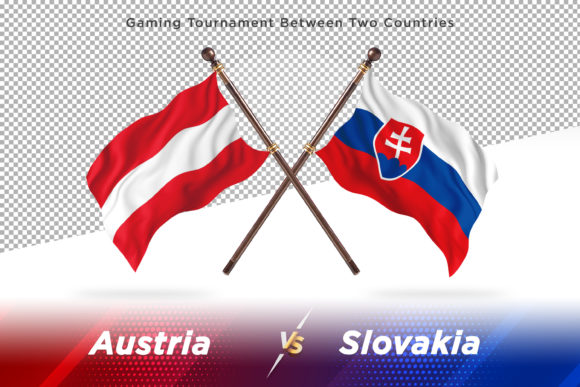
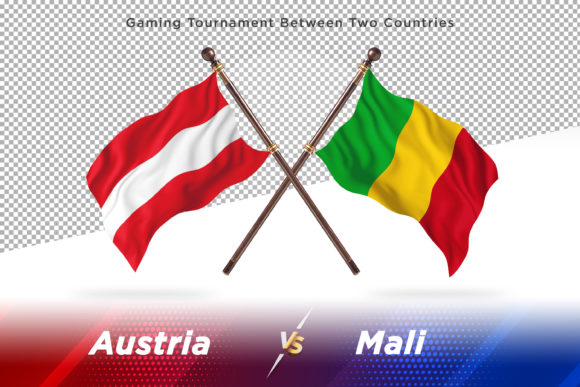
National flags are more than just symbols of sovereignty; they carry deep historical, cultural, and emotional weight. When designers juxtapose two flags, like those of Austria and Mali, they create a visual dialogue that can represent everything from geopolitical themes to cultural contrasts. The Austria Versus Mali Two Flags concept takes this idea further by placing both flags in a dynamic, three-dimensional space with realistic wave motion on an isolated background. This allows for greater flexibility in composition and meaning, depending on the context in which it's used.
With global awareness increasing and international collaboration becoming the norm, many professionals find themselves needing tools to visualize these relationships. The Austria versus Mali Two Flags Versus illustration offers a ready-to-use solution that speaks directly to modern audiences while maintaining a professional aesthetic.
Technical Advantages of the Illustration Bundle
The Austria Versus Mali Two Flags bundle includes multiple file formats designed to support a wide range of applications:
- PSD (4500 x 3000 px): Ideal for editing and customizing each flag individually.
- JPEG: Perfect for web use, presentations, or print materials where high resolution is needed without transparency.
- PNG: Offers full transparency, making it great for overlays, logos, or digital assets that need to blend seamlessly into different backgrounds.
What makes this bundle especially valuable is the use of smart objects in the PSD file. This feature allows users to modify the flags — including resizing, repositioning, or even replacing them with other country flags — without compromising image quality. Each flag is placed on its own layer and clearly labeled, ensuring that even complex edits remain manageable and intuitive.
Why Isolated Backgrounds Matter in Design
Isolated backgrounds have become a staple in modern design because they allow for maximum versatility. Unlike traditional illustrations embedded in cluttered scenes, these flags sit on a clean canvas, letting the viewer focus solely on the elements at hand. This clarity is particularly important when creating content that needs to be repurposed across different platforms — from websites and social media to reports and educational materials.
For marketers and entrepreneurs, the ability to place flags on any background means you can tailor your message precisely. Want to highlight a partnership between Austrian and Malian businesses? Use the Austria Versus Mali Two Flags illustration to do so visually and professionally. For educators, it’s a powerful teaching tool to explain geography, history, or cultural differences without the need for text-heavy slides.
How the Concept Aligns With Current Creative Trends
Design trends today emphasize minimalism, clarity, and symbolic representation. The Austria versus Mali Two Flags Versus concept fits perfectly within this framework by offering a clean, symbolic layout that conveys complex ideas simply. In fields like UI/UX design, data visualization, and infographics, this kind of imagery helps break down abstract concepts into digestible, engaging visuals.
Moreover, the rise of remote work and digital-first strategies has increased demand for scalable, editable design assets. Having access to layered files with smart objects meets these needs head-on. Designers no longer have to rely on flat images that limit creativity; instead, they can build custom compositions that reflect their brand’s identity or project’s goals.
Expanding the Concept: Beyond Austria and Mali
While the Austria Versus Mali Two Flags illustration is a standout example, the concept itself is infinitely expandable. The same approach can be applied to other countries, allowing for a vast array of thematic comparisons. For instance, you could explore:
- Historical alliances and conflicts through flag pairings.
- Cultural exchanges and collaborations in arts or business.
- Geopolitical narratives such as trade partnerships or diplomatic relations.
This scalability is one reason why many creators are now seeking similar bundles with additional flags. If the current set doesn’t include the nations you’re interested in, it's worth noting that customization options are available — just ask for specific additions to suit your unique vision.
Practical Applications Across Industries
The Austria versus Mali Two Flags Versus concept isn't limited to a single field. Its potential uses span various industries:
- Marketing & Branding: Showcase international brands or campaigns with clear visual references to their regions of origin.
- Education: Teach about global geography, politics, or culture in a visually stimulating way.
- Graphic Design: Create editorial layouts, posters, or banners that incorporate symbolic flag elements without overwhelming the viewer.
- Business Presentations: Highlight cross-border ventures, partnerships, or market expansions with a strong visual metaphor.
Take, for example, a travel blog promoting cultural tours between Europe and Africa. Using the Austria Versus Mali Two Flags illustration could help introduce the contrast between these two destinations in a way that’s both informative and aesthetically pleasing. Similarly, a nonprofit working on international development might use the same visual to emphasize the diversity of their operations and the interconnectedness of global efforts.
Organized Layers for Seamless Editing
One of the most practical features of the Austria versus Mali Two Flags Versus bundle is its well-organized layers. In the PSD file, every element — from the flags themselves to lighting effects and shadows — is neatly categorized. This structure saves time and reduces errors, especially when working under tight deadlines or managing multiple revisions.
Smart objects take this a step further by enabling non-destructive edits. You can change colors, adjust positions, or apply filters without affecting the original flag artwork. This is particularly useful if you want to align the flags with a specific color scheme or branding guide. The result is a highly customizable asset that maintains its professional look regardless of the changes made.
Adapting to User Expectations and Digital Platforms
Today’s audiences expect content that is both visually appealing and easy to understand. They scroll quickly and engage deeply only when information is presented clearly. The Austria Versus Mali Two Flags illustration satisfies this need by delivering a high-quality visual in a format that adapts easily to different screen sizes and resolutions.
On mobile devices, where space is limited, PNG files with transparent backgrounds ensure that the flags remain legible and impactful. For desktop or print media, the JPEG version provides rich detail and sharp edges. The PSD format empowers advanced users to tweak the design to match their exact requirements, whether that means adding a third flag or adjusting the perspective to fit a new layout.
Realistic Examples and Creative Possibilities
Here are some realistic scenarios where the Austria versus Mali Two Flags Versus illustration could add value:
- Event Branding: A summit or conference focused on European-African relations could use the flags to create a central theme or logo.
- Infographic Elements: Pair the flags with statistics to show economic ties, population growth, or climate data between the two countries.
- Social Media Posts: Use the PNG file to overlay the flags onto a branded background for posts highlighting global connections or diversity initiatives.
- Product Packaging: If a company sources materials from both regions, the flags could serve as a subtle nod to their international supply chain.
These examples illustrate how versatile the Austria Versus Mali Two Flags concept can be. By combining symbolism with technical flexibility, it becomes a go-to resource for professionals who want to communicate complex ideas effectively.
Conclusion: A Tool for Global Communication
The Austria versus Mali Two Flags Versus illustration is more than just a design asset — it's a bridge between cultures, a symbol of connection, and a tool for creative expression. As the world becomes increasingly interconnected, the ability to visually represent these relationships is more important than ever.
Whether you're looking to tell a story, make a statement, or simply elevate your design projects, the Austria Versus Mali Two Flags bundle offers a solid foundation. Its combination of high-resolution formats, smart object functionality, and organized layers makes it a must-have for anyone working in a visual field. And with the option to request additional flags, you're never limited in what you can create.
Embrace this concept and let it inspire your next project — one that speaks across borders and brings clarity to the global conversations we all participate in daily.