Azerbaijan Versus Liechtenstein Flags: A Creative Tool for Global Comparisons and Design Projects
In the ever-evolving world of design, marketing, and creative content development, visual elements play a crucial role in conveying messages effectively. One such element that has gained attention is the Azerbaijan Versus Liechtenstein Flags concept illustration. This tool not only showcases two distinct national flags but also opens up a range of opportunities for professionals to engage with global themes in a visually compelling way.
What Is the Azerbaijan Versus Liechtenstein Flags Concept?
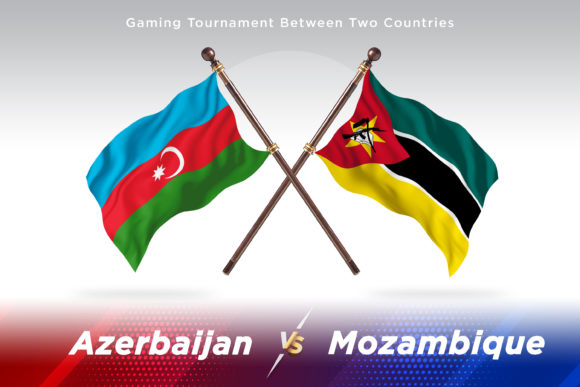
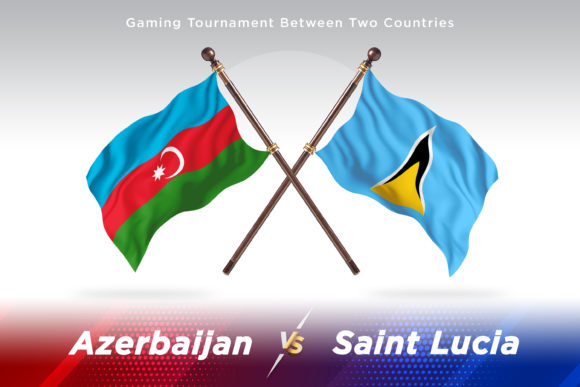
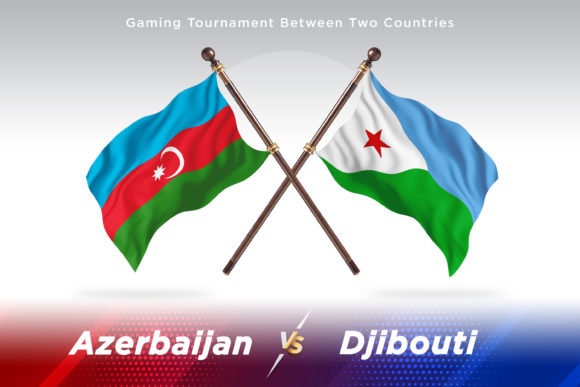
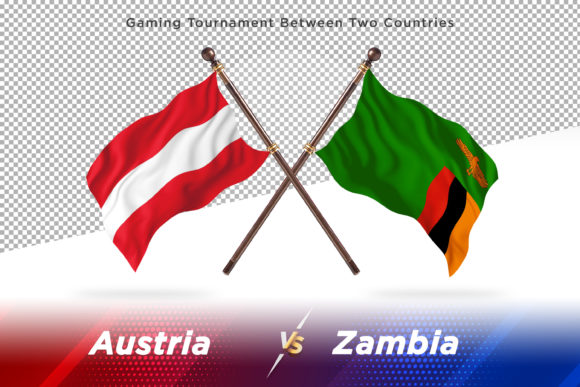
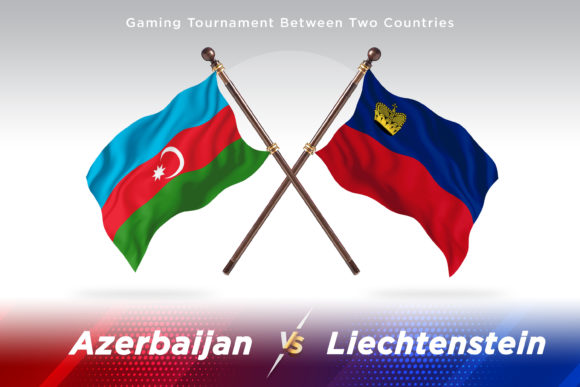
The Azerbaijan versus Liechtenstein Two Flags Versus concept is an illustrative design that places the official country flags of Azerbaijan and Liechtenstein side by side or in a contrasting layout. It is typically created using high-resolution 3D waving positions on an isolated background, ensuring clarity and professionalism. Each flag is placed on its own layer, making it easy to edit, reposition, or combine with other design elements. The illustration often comes in multiple formats — including PSD, JPEG, and PNG — allowing for seamless integration into various digital platforms.
This concept is particularly useful when creating content that involves comparisons between countries, whether in terms of geography, culture, economy, or politics. For instance, a marketer might use this illustration to highlight differences in market size or cultural identity when targeting audiences in both regions. Similarly, educators could leverage it to spark discussions about geopolitical dynamics or historical relationships between these two nations.
Why This Concept Fits Into Industry and Market Trends
In today’s globalized marketplace, businesses are increasingly looking to expand beyond their domestic borders. Understanding international markets requires more than just data; it demands visual storytelling that resonates with diverse audiences. The Azerbaijan Versus Liechtenstein Flags illustration supports this need by offering a clear, professional way to represent cross-border comparisons.
For marketers and entrepreneurs, visual assets like these help in crafting campaigns that speak directly to local cultures while maintaining a global appeal. In the case of Azerbaijan and Liechtenstein, which represent vastly different economic and geographic profiles, having a ready-to-use illustration can streamline the process of developing region-specific content or promotional materials.
Moreover, with the rise of remote work and international collaboration, designers are frequently required to incorporate elements from multiple countries into a single project. Whether it's a logo contest featuring participants from around the world or a website showcasing international partnerships, the ability to quickly and accurately include flags like those of Azerbaijan and Liechtenstein is invaluable.
Design Flexibility and Smart Objects
One of the most appealing aspects of this illustration is the inclusion of smart objects within the PSD file. This feature allows designers to easily modify the flags without losing quality or detail. The well-organized layers ensure that each flag remains editable and scalable, enabling users to customize the design according to their specific needs.
For example, a freelancer working on a presentation about energy policies in Europe and Eurasia might want to compare how Azerbaijan, as an oil-rich nation, contrasts with Liechtenstein, a small alpine state reliant on imports. Using the Azerbaijan versus Liechtenstein Two Flags Versus illustration, they can place the flags alongside relevant statistics or infographics, enhancing the visual impact of their message.
How This Illustration Addresses Changing Needs and Expectations
Modern consumers and professionals expect content that is not only informative but also aesthetically engaging. Static text or generic images no longer suffice — visuals must be dynamic, meaningful, and adaptable. The Azerbaijan Versus Liechtenstein Flags concept meets these expectations by providing a versatile and high-quality design solution.
As digital platforms become more competitive, businesses and creators are under pressure to stand out. Incorporating unique illustrations that reflect international themes helps them do just that. This trend is especially evident in the fields of branding, advertising, and web design, where subtle visual cues can significantly influence audience perception.
Additionally, the growing interest in geopolitics and cultural awareness has led to an increased demand for educational and informative content that includes national symbols. The Azerbaijan versus Liechtenstein Two Flags Versus illustration fits perfectly into this space, offering a clean and professional representation of two countries often overlooked in mainstream discussions.
Practical Applications Across Industries
- Marketing and Advertising: Use the flags to create region-specific ad campaigns or social media posts that emphasize cultural relevance and inclusivity.
- Education and E-Learning: Integrate the illustration into presentations or interactive modules discussing European and Eurasian geopolitics, trade relations, or cultural studies.
- Graphic Design and Branding: Leverage the flags in logos, banners, or posters for events, contests, or projects involving international participants or sponsors.
- Web Development: Add the flags to websites or landing pages that focus on international cooperation, travel, or business expansion.
Connecting to Larger Creative and Technological Developments
The Azerbaijan Versus Liechtenstein Flags concept is part of a broader shift in the design industry toward modular, customizable, and context-aware visual tools. As software becomes more sophisticated and user-friendly, there is a greater emphasis on efficiency and adaptability. Tools that allow for quick edits, such as smart object-enabled designs, are becoming standard rather than exceptions.
Furthermore, the increasing availability of stock illustrations and vector assets has made it easier for non-designers to produce high-quality visuals. However, many still prefer bespoke solutions that align precisely with their brand identity or message. The Azerbaijan versus Liechtenstein Two Flags Versus illustration fills this gap by offering a tailored yet flexible resource that can be adapted to various contexts.
In the realm of technology, the use of layered files and transparent backgrounds (like PNGs) reflects the importance of responsive design and cross-platform compatibility. These features ensure that the illustration works seamlessly across websites, mobile apps, and print materials, adapting to different screen sizes and resolutions without compromising quality.
Examples of Real-World Use
- International Business Reports: A company analyzing investment opportunities in both Azerbaijan and Liechtenstein can use the flags to differentiate sections of their report or infographic, making the information more digestible.
- Travel and Tourism Content: A travel blog comparing the lifestyles and cultures of Azerbaijan and Liechtenstein might include the flags as part of a larger visual narrative, helping readers understand the unique identities of each location.
- Cultural Exchange Programs: Educational institutions promoting student exchanges between these two countries can utilize the illustration in promotional materials, reinforcing the idea of mutual learning and international connection.
Why People Are Paying Attention to This Concept
Several factors contribute to the rising interest in the Azerbaijan versus Liechtenstein Two Flags Versus concept. First, the global nature of modern business and communication means that visual representations of countries are more important than ever. Second, the demand for high-quality, customizable design resources continues to grow, especially among freelancers and small businesses that may not have access to in-house graphic design teams.
Another reason for its popularity is the increasing need for culturally sensitive and inclusive content. When designing for a global audience, it's essential to respect and accurately represent each country involved. Using officially sourced flags ensures that these standards are met, avoiding any potential misrepresentation or oversight.
Lastly, the aesthetic value of the illustration cannot be ignored. With 3D waving effects and clean, isolated backgrounds, the Azerbaijan Versus Liechtenstein Flags offer a level of sophistication that enhances the overall quality of the design. This makes them ideal for presentations, reports, and marketing materials where visual appeal is key.
Future Relevance and Expanding Possibilities
As the world becomes even more interconnected, the need for visual tools that support international comparisons will only increase. The Azerbaijan versus Liechtenstein Two Flags Versus illustration is a prime example of how designers can meet this need with creativity and precision. Its layered structure and smart object functionality make it a forward-thinking asset that can evolve with the user’s requirements.
For professionals who find themselves needing to represent additional countries, the opportunity to request other flags ensures that this concept can be expanded to fit almost any scenario. Whether it's a comparison between emerging economies or a study of political systems, having access to a curated set of flags with consistent styling and quality is a major advantage.
Conclusion
The Azerbaijan Versus Liechtenstein Flags concept is much more than a simple illustration — it's a strategic design tool that empowers professionals across industries to communicate complex ideas with clarity and style. By combining the visual strength of national flags with the flexibility of modern design formats, it addresses the changing needs of today’s creative landscape.
Whether you're a designer, marketer, educator, or entrepreneur, the Azerbaijan versus Liechtenstein Two Flags Versus illustration offers a practical and insightful way to bring global perspectives into your work. As the demand for visually rich and contextually accurate content grows, resources like this will become essential components of any successful creative toolkit.