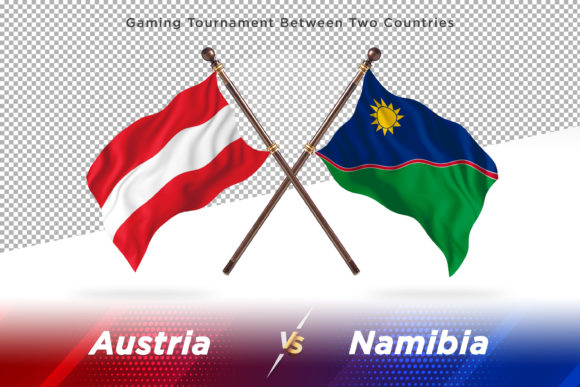
Austria Versus Namibia Two Flags: A Practical Tool for Visual and Conceptual Comparisons
In today’s globalized world, visual representation plays a crucial role in communication, design, and decision-making. The Austria versus Namibia Two Flags concept illustration serves as a valuable resource for professionals and creatives who need to compare or contrast two nations at a glance. This design typically features the official country flags of Austria and Namibia rendered in high quality, isolated on their own layers, and displayed in a 3D waving format. It is ideal for presentations, educational materials, branding projects, and more.
Understanding the Design Package
The Austria versus Namibia Two Flags package includes a comprehensive set of assets designed for flexibility and ease of use:
- One PSD file (4500 x 3000 px): Allows full customization with smart objects for quick editing.
- One JPEG file: Provides a high-resolution raster image for straightforward use in print or digital media.
- One PNG file: Offers a transparent background version suitable for overlaying onto different designs or backgrounds.
Each flag is clearly labeled and placed on its own layer, making it easy to modify individual elements without affecting the overall composition. This structure supports efficient workflow integration, especially when working with layered graphic design tools like Adobe Photoshop.
Applications Across Different Workflows
Whether you're an educator preparing a geography lesson, a marketer creating a campaign about international partnerships, or a designer crafting a logo that represents both Austrian and Namibian heritage, this tool can be integrated into various stages of your project.
Before a Project Starts
During the planning phase, using the Austria versus Namibia Two Flags illustration can help establish a visual identity for the project. For instance, if you are organizing a cultural exchange event between these two countries, including the flags early in your promotional materials can signal the purpose and scope of the initiative. It also helps stakeholders align expectations by providing a clear visual reference point.
During Execution
When executing a creative project, such as a website redesign or infographic development, having access to well-organized assets like the Austria-Namibia flag comparison ensures consistency and efficiency. You can easily swap out flags for other countries if needed—just ask for additional flags not included in the original bundle. The smart object feature in the PSD file allows you to adjust size, color balance, or positioning without losing quality, which is particularly useful when adapting the design for different screen sizes or formats.
After Completion
Once a project is completed, the Austria versus Namibia Two Flags illustration can serve as part of the final deliverable or as documentation for future reference. Educators might include it in a slideshow to highlight historical ties or differences between the two nations. Entrepreneurs could use it in reports to showcase international market opportunities. Its adaptability makes it a versatile asset long after the initial design work is done.
Integration with Other Tools and Assets
This illustration works seamlessly with a variety of platforms and tools. If you’re using Adobe Creative Cloud, the PSD file opens directly in Photoshop, where you can edit each flag independently. The JPEG and PNG files are compatible with most design software, content management systems, and presentation tools like PowerPoint or Keynote.
For developers, the PNG file is ideal for embedding in web pages due to its transparency support. Marketers and social media managers can quickly drag-and-drop the JPEG into Canva or Adobe Spark for fast campaign creation. Additionally, since the design is based on real-world flags, it integrates well with data visualization tools or GIS-based applications when illustrating country comparisons.
Working with Colleagues and Clients
Collaboration is made easier thanks to the organized layers and clear labeling. When sharing the PSD file with team members or clients, they can navigate the design intuitively. This clarity reduces back-and-forth communication and speeds up approval processes. Moreover, because the flags are officially sourced and properly formatted, there's no risk of misrepresentation or copyright issues, which is essential in professional settings.
Practical Tips for Implementation
Here are some actionable tips for incorporating the Austria versus Namibia Two Flags illustration into your work:
- Use Smart Objects for Consistency: Always edit the flags through the smart object layer in Photoshop to maintain resolution and avoid distortion.
- Keep Layers Organized: Rename and group layers as needed to reflect your specific project needs. This improves usability for anyone else accessing the file later.
- Test Transparency Settings: Before finalizing a design with the PNG file, ensure that the transparent background looks good on all intended display surfaces, such as dark or light-colored websites.
- Request Additional Flags: If your project requires comparing more than just these two countries, don’t hesitate to request additional flags in the same style for a cohesive look.
- Optimize for Use Case: Choose the appropriate file format depending on your platform—JPEG for print, PNG for digital overlays, and PSD for further editing.
For example, a marketing agency designing a campaign for a multinational corporation might use the flags during the brainstorming stage to represent target markets. Later, they can integrate the JPEG into social media posts or the PNG into a company website to emphasize global reach.
Considerations for Quality and Long-Term Use
When implementing the Austria versus Namibia Two Flags illustration, consider how it will perform over time. High-resolution files ensure scalability, so whether you're printing a poster or displaying it on a mobile device, the flags remain crisp and accurate. Proper organization of layers and naming conventions enhance reusability, especially if you plan to build a library of similar flag illustrations for different regions or projects.
Also, think about the context in which the flags will appear. In a formal report, a clean layout with minimal text may suffice. In a dynamic presentation, adding subtle animations or transitions can make the comparison more engaging. The key is to maintain a balance between aesthetics and functionality, ensuring the flags support the message rather than distract from it.
Workflow Examples and Use Cases
Let’s explore a few scenarios where this illustration proves beneficial:
1. International Business Reports
A business analyst tasked with comparing economic indicators between Austria and Namibia can use this visual aid to introduce the subject matter. Placing the flags at the top of a slide or document immediately sets the geographic context and helps the audience connect the data to real-world locations.
2. Cultural Education Projects
An educator preparing a unit on European and African cultures might use the flags to spark discussions on history, politics, and symbolism. The layered nature of the PSD file allows for interactive classroom activities, such as students modifying the flags to learn about design principles.
3. Branding and Logo Design
A brand aiming to symbolize unity between Austrian and Namibian partners can incorporate the flags into their logo design process. Using the smart object layers, designers can experiment with placement, color blending, and typography while maintaining the integrity of the flags themselves.
4. Travel and Tourism Content
Travel bloggers or tour agencies can leverage the JPEG or PNG versions to create eye-catching banners or infographics. These visuals help attract attention and convey a sense of adventure and diversity associated with visiting both countries.
Enhancing Usability Through Preparation
Preparation is key to maximizing the value of this illustration. Start by understanding the requirements of your project. Do you need to add text? Will the flags be part of a larger infographic? How much detail should be visible?
Answering these questions upfront will guide your approach to integrating the flags. Also, check the compatibility of the file formats with your current software stack. While the provided files are standard and widely supported, custom conversions might be necessary for niche platforms or older systems.
Another important factor is organization. If you’re managing multiple country comparisons, keeping the Austria-Namibia file in a structured folder alongside others (e.g., Germany versus Kenya, France versus South Africa) will streamline your workflow and improve accessibility for future projects.
Ensuring Efficiency and Consistency
Efficiency comes from knowing what tools you have and how to use them effectively. Since the Austria versus Namibia Two Flags illustration is already optimized for editing and reuse, focus on how it fits within your broader visual strategy. Avoid unnecessary duplication of effort by using existing smart object templates and leveraging the pre-isolated layers.
Consistency across projects is equally important. If you’re creating a series of flag comparisons for a client, applying the same formatting rules and positioning standards to each illustration ensures a polished, unified look. This approach builds trust and professionalism, especially when presenting to external audiences.
Final Thoughts on Workflow Integration
The Austria versus Namibia Two Flags illustration is more than just a visual element—it's a practical component of a well-planned design or communication strategy. By considering how it functions before, during, and after your project, you can unlock its full potential and avoid common pitfalls like poor alignment, incorrect sizing, or unclear messaging.
Remember to treat it as part of a larger system. Whether you're building a presentation, a website, or a report, the flags should complement the rest of your content, not overshadow it. With proper preparation, thoughtful implementation, and ongoing evaluation, you’ll find that this resource enhances both the quality and efficiency of your work.