Bahamas Versus Belgium Two Flags: A Visual Tool for Conceptual Comparisons
When it comes to visual storytelling, design clarity, and effective communication, the right assets can make all the difference. The Bahamas Versus Belgium Two Flags illustration offers a unique way to present country comparisons in a clean, professional, and visually engaging format. This concept is particularly useful when you need to illustrate contrasts or parallels between two distinct national identities—whether for educational materials, marketing campaigns, infographics, or creative projects.
What Is Bahamas Versus Belgium Two Flags?
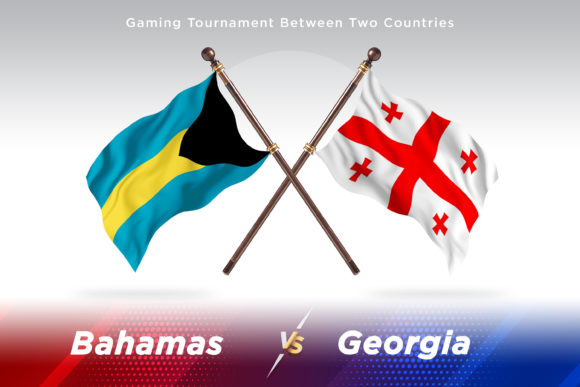
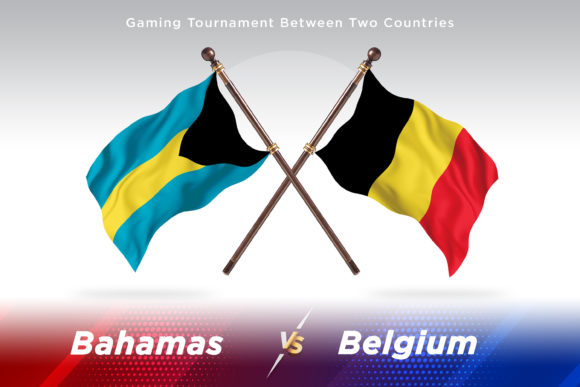
The Bahamas Versus Belgium Two Flags is a 3D-style digital illustration that features the official flags of the Bahamas and Belgium, each displayed in a waving position on an isolated background. These flags are rendered with attention to detail and accuracy, ensuring they reflect the true colors and proportions of their respective countries. The illustration includes layered versions in Photoshop (PSD), as well as JPEG and PNG formats, making it highly versatile for both print and digital use.
Each flag is placed on its own layer within the PSD file, which allows for easy customization. Designers can replace the flags with others if needed, or adjust elements like positioning, lighting, or background color without affecting the integrity of the overall composition. The smart object feature makes editing straightforward, even for those who may not be advanced in Photoshop.
Where It Fits Into Your Broader Workflow
This type of visual tool fits seamlessly into various workflows, especially those involving comparison-based content creation. For instance, educators might use it when discussing geography, culture, or political systems. Marketers could incorporate it into presentations that highlight international markets or brand localization strategies. Bloggers and content creators often rely on such visuals to break up text and add context to discussions about global events, travel, or cultural differences.
In project planning, the Bahamas Versus Belgium Two Flags can serve as part of a larger set of assets used to visualize stages of development, team roles, or strategic choices. Its high-resolution format ensures that it maintains quality across different platforms—from websites and social media posts to printed reports and slides.
Before a Project Starts
At the pre-planning stage, this illustration can help stakeholders quickly grasp the scope of a project that involves multiple countries. If you're preparing a market entry strategy for both the Bahamas and Belgium, using the flags side by side can provide a clear visual reference point during brainstorming sessions or initial presentations.
For designers, having the flags ready before starting a layout ensures that the visual elements align with the message from the beginning. You can place them as placeholders in your wireframes to get feedback on how the comparison will look within the final design.
During Execution
During the execution phase, the illustration can be integrated into ongoing work such as website banners, infographic panels, or slide decks. Its layered structure in Photoshop means you can tweak the design in real time based on client or team input. For example, you might want to adjust the background tone to match your branding guidelines or reposition the flags for better visual balance.
If you're working on a multi-step process where each step represents a different country’s approach or policy, placing the Bahamas versus Belgium Two Flags at key decision points can help users understand the differences more intuitively. This is especially helpful in business or government-related workflows where decisions have international implications.
After Completion
Once a project is complete, the illustration can still play a role in post-mortems, summaries, or promotional materials. It can be used in case studies to show how a solution was adapted for different regions or included in reports to highlight successful outcomes in both locations. Additionally, it serves as a reusable asset for future projects that require similar visual comparisons.
Integration with Other Tools and Resources
The beauty of the Bahamas Versus Belgium Two Flags lies in its compatibility with other design tools and resources. Since it comes in multiple file types—including PSD, JPEG, and PNG—it can easily be imported into Adobe Illustrator, Canva, Figma, or any standard image-editing software. This flexibility supports both vector-based and raster-based workflows, depending on your needs.
For developers or marketers using platforms like WordPress, Shopify, or LinkedIn, the JPEG and PNG versions are optimized for quick upload and display. They won’t slow down page load times or cause formatting issues, which is essential for maintaining user experience and SEO performance.
Moreover, because the flags are isolated and properly named in layers, they can be combined with other illustrations or icons from your design library. Whether you’re building a timeline, a Venn diagram, or a world map visualization, these flags can enhance the narrative without overwhelming the viewer.
Practical Implementation Tips
- Use Smart Objects for Easy Edits: Always open the PSD file first to take advantage of the smart object layers. This lets you change the size or apply filters without losing resolution or detail.
- Organize Layers for Future Use: Rename and group layers according to their function (e.g., "Bahamas Flag", "Belgium Flag", "Background"). This saves time if someone else needs to modify the file later or if you return to it after some time.
- Test Across Devices: Before finalizing your design, preview the JPEG and PNG files on different screens and resolutions to ensure consistency and legibility.
- Consider Color Contrast: If you're overlaying text or additional graphics, check that the flag colors don’t clash. Adjust opacity or background tones as necessary to maintain readability.
- Repurpose Creatively: Think beyond just showing the flags side by side. Use them as headers, section dividers, or even in split-screen designs that compare statistics, policies, or cultural aspects.
Workflow Examples Where This Illustration Shines
- International Business Reports: When analyzing market data for the Bahamas and Belgium, this visual helps readers immediately associate the information with the correct region.
- Travel Content Creation: Bloggers or travel agencies can use the flags to introduce destination guides, highlighting key differences between tropical and European travel experiences.
- Political Analysis Infographics: Researchers and journalists can incorporate the flags into timelines or comparative charts to illustrate diplomatic relations, trade agreements, or election results.
- Educational Materials: Teachers and curriculum designers can use the illustration in lessons about geography, history, or cultural studies to spark discussion and engagement.
- Marketing Campaigns: Brands expanding into new markets can include the flags in promotional material to signal their presence in both regions, helping build local relevance and trust.
Factors to Consider for Long-Term Use
To ensure that the Bahamas Versus Belgium Two Flags remains a valuable asset over time, consider the following factors:
Preparation
Always verify the accuracy of the flags before final use. While the illustration uses official flags, subtle variations in color or proportion can occur due to rendering or compression. Cross-check with reliable sources if you're creating content for formal or academic purposes.
Compatibility
Make sure your design platform supports the file types provided. If you plan to collaborate with others who use different tools, export versions accordingly or convert layers into compatible formats early in the workflow.
Usability
Keep the illustration simple and uncluttered. Avoid adding too many effects or overlays that might distract from the main purpose of the comparison. The goal is to support the message—not overshadow it.
Organization
Store the illustration along with related assets in a clearly labeled folder. Include version numbers if you plan to update the design over time. This makes it easier to retrieve and reuse the illustration without confusion.
Efficiency
Use the smart objects to streamline repetitive tasks. If you need to create similar illustrations for other country pairs, you can duplicate the template and replace the flags efficiently, saving hours of manual work.
Consistency
If you're using this illustration in a series of designs, maintain consistent styling, positioning, and background treatments. This helps reinforce brand identity and improves the overall user experience.
Quality Control
Review the final output in all intended formats. Ensure there are no pixelation issues, especially in the PNG version, which should retain crisp edges and transparency. Also, confirm that the file sizes are optimized for web use while preserving visual fidelity.
Long-Term Use
Plan ahead for potential updates. As new flags are adopted or old ones revised, having a system in place to refresh your illustrations ensures your content stays current and credible. Keep track of flag changes through official government websites or reputable design repositories.
Expanding the Concept
If you find the Bahamas versus Belgium Two Flags concept useful but need to represent more countries or different combinations, the original design can be extended or modified. The layered structure allows for easy replacement of the existing flags with others, and if you need additional flags not included in the bundle, you can request them from the creator or source them from trusted flag libraries.
By adapting the template to include other flags, you can build a comprehensive visual toolkit for global comparisons. This is particularly beneficial for businesses operating in multiple regions, educators covering international topics, or content creators aiming to reach a diverse audience.
Conclusion
The Bahamas Versus Belgium Two Flags is more than just a visual asset—it's a conceptual bridge that connects complex ideas through the language of national symbols. By integrating this illustration into your workflow, you gain a powerful yet flexible tool for presenting comparisons in a way that's both informative and aesthetically pleasing.
Whether you're designing for business, education, or personal projects, the ability to visualize country contrasts enhances clarity and engagement. With careful preparation and thoughtful implementation, this illustration can become a staple in your creative process, supporting everything from strategic planning to public-facing content.