Azerbaijan Versus Bosnia Two Flags: A Practical Guide to Understanding and Using the Visual Concept
The concept of "Azerbaijan Versus Bosnia Two Flags" has emerged as a popular visual tool in the realm of design, marketing, and educational content. It typically involves placing the official country flags of Azerbaijan and Bosnia side by side or in contrasting positions within an illustration. This can be used to represent geopolitical themes, cultural comparisons, branding efforts, or even competitive scenarios in various contexts such as sports, business, or academic research.
What Is the Azerbaijan Versus Bosnia Two Flags Concept?
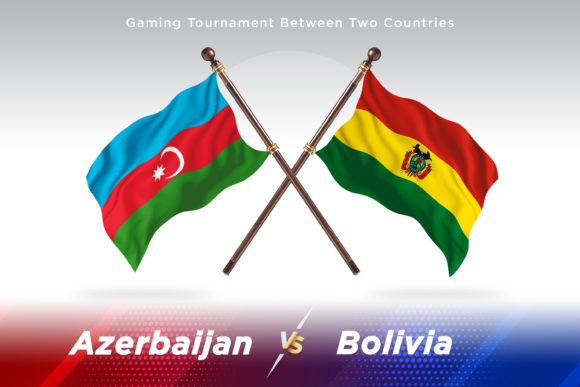
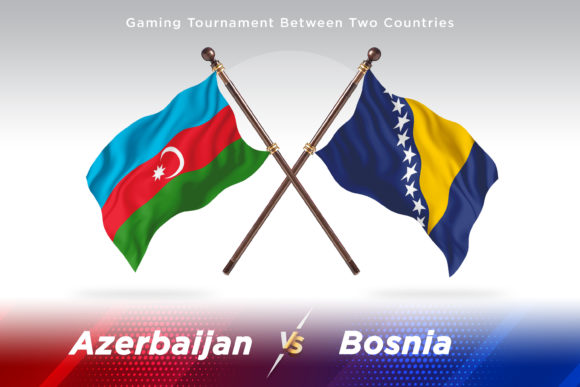
The term refers to the visual juxtaposition of the two national flags—Azerbaijan's flag with its red, green, and blue horizontal bands and the white crescent star in the center, and Bosnia’s flag featuring a light blue triangle on a yellow background, outlined by a white border. These flags are often presented in 3D waving formats against isolated backgrounds, making them ideal for digital use in presentations, posters, infographics, and web-based materials.
This concept is commonly realized through high-resolution image files like PSDs (Photoshop Documents), JPEGs, and PNGs. The key feature is that each flag is placed on its own layer with proper labeling, allowing designers to edit individual elements easily. Additionally, smart objects are often embedded to facilitate non-destructive editing, which is especially useful when modifying colors, sizes, or orientations without losing quality.
How Does It Compare to Other Flag-Based Illustrations?
Flag-based illustrations come in many forms, but the "Azerbaijan Versus Bosnia Two Flags" format offers specific advantages over generic or single-flag designs:
- Comparative Clarity: Unlike single-flag assets, this format provides a direct comparison between two countries. This is particularly beneficial in educational or diplomatic contexts where understanding regional distinctions is important.
- Layered Flexibility: The inclusion of separate layers in the PSD file allows for more precise customization than flat JPEG or PNG images alone. Designers can adjust positioning, add effects, or integrate other elements without affecting the original flag artwork.
- Isolated Backgrounds: Many flag bundles include flags on busy or patterned backgrounds, which can complicate integration into new projects. In contrast, the "Versus" version ensures both flags are clean and isolated, making it easier to fit into different layouts.
While similar concepts exist—such as "Russia Versus Germany Flags" or "Japan Versus South Korea"—the Azerbaijani and Bosnian flags offer a unique combination of colors and symbols. Their distinct identities make them stand out in visual storytelling, especially when the goal is to emphasize diversity or highlight differences in geography, culture, or politics.
Strengths and Tradeoffs of the Azerbaijan Versus Bosnia Two Flags Format
Using the "Azerbaijan Versus Bosnia Two Flags" illustration comes with several strengths that cater to professional and creative needs alike:
- High Resolution: The typical resolution of these assets is 4500 x 3000 pixels, ensuring they remain sharp and clear even when scaled up for large-format printing or digital displays.
- Smart Object Integration: This makes the flags editable without compromising the integrity of the design, which is crucial for businesses or educators who may want to personalize the visuals for specific audiences.
- Well-Organized Layers: Each flag is isolated on its own layer, reducing the time needed to modify or reposition elements. This structure supports efficient workflow in graphic design software like Adobe Photoshop.
- Global Recognition: Both flags are official representations of their respective countries and are widely recognized internationally, making them reliable for use in formal or global-facing projects.
However, there are also some tradeoffs and limitations to consider:
- Limited Scope: While the dual-flag concept is effective for comparing just two nations, it may not be suitable for broader international comparisons involving more countries.
- No Additional Elements: The illustration focuses solely on the flags and does not include any supporting graphics, text, or icons. Users might need to build additional components around the provided assets.
- Specific Use Case: The design works best in situations where the emphasis is on the flags themselves rather than the landscapes, people, or cultures they represent.
Best-Fit Situations for the Azerbaijan Versus Bosnia Two Flags Concept
This illustration format is most appropriate in the following scenarios:
- Geopolitical Analysis: Researchers and analysts can use it to visually compare regions, alliances, or historical events involving Azerbaijan and Bosnia.
- Event Branding: For international conferences, tournaments, or exhibitions featuring teams or representatives from both countries, the flags serve as recognizable identifiers.
- Marketing Campaigns: Businesses targeting markets in either nation can incorporate the flags into promotional materials to show local relevance and inclusivity.
- Educational Content: Teachers and students can benefit from using the flags in presentations about Europe, Eurasia, or country-specific studies.
- Design Mockups: Web developers or app designers can utilize the flags in UI/UX mockups to test how country-related imagery integrates with their layout.
For example, a travel agency promoting tours between Baku and Sarajevo could use this illustration to create eye-catching banners or brochures. Similarly, a news website reporting on regional cooperation agreements between the two countries might use the flags in infographic-style articles to quickly convey partnerships or contrasts.
When to Consider Alternative Options
Although the "Azerbaijan Versus Bosnia Two Flags" format is versatile, it may not always be the best choice. Here are some situations where alternative flag-based illustrations might be more suitable:
- Multi-National Comparisons: If your project requires comparing more than two countries, you may need a multi-layered illustration or a custom-designed flag bundle that includes additional nations.
- Cultural Representation: When the context demands a deeper exploration of the countries’ cultures, landscapes, or demographics, standalone flag assets should be supplemented with other visual elements.
- Animated Presentations: If motion graphics are part of your plan, a static flag illustration may need to be paired with animation tools or replaced with a more dynamic asset.
- Low-Budget Projects: While the format offers high-quality visuals, it may require access to Adobe Photoshop for full customization. If budget constraints limit software access, a simple JPEG or PNG might suffice.
Practical Examples of Usage
To better understand the real-world application of the "Azerbaijan Versus Bosnia Two Flags" illustration, consider the following examples:
- Political Reports: A journalist writing about recent diplomatic relations between Azerbaijan and Bosnia-Herzegovina uses the illustration to highlight the countries' identities in a timeline graphic.
- Brand Localization: A multinational company introduces a new product line tailored for the Caucasus and Balkan regions. They incorporate the flags into their packaging design to signal regional appeal.
- Academic Research: A student working on a thesis about post-Soviet and post-Yugoslav states uses the flags in a comparative chart to discuss political systems and economic policies.
- UI/UX Testing: A designer creates a prototype for a language-learning app and tests how users react to seeing the flags associated with Azerbaijani and Bosnian language options.
Decision Factors and Key Considerations
When deciding whether to use the "Azerbaijan Versus Bosnia Two Flags" illustration, keep the following factors in mind:
- Project Type: Determine if the illustration serves your purpose. If you're focusing on flags and their symbolic meaning, it’s an excellent choice. If you need a broader representation, consider other visual styles.
- Customization Needs: Evaluate whether you’ll need to edit the flags or just place them in a design. The PSD file is ideal for those needing flexibility, while JPEG and PNG versions are suited for simpler applications.
- Target Audience: Understand the level of familiarity your audience has with the flags. For global viewers, the design should be clear and unambiguous; for local users, it reinforces identity and pride.
- Technical Resources: Ensure you have the necessary tools and skills to work with layered files. If not, opt for ready-to-use JPEG or PNG versions to save time and effort.
Alternatives to Explore
If the "Azerbaijan Versus Bosnia Two Flags" format doesn’t meet your exact requirements, consider these alternatives:
- Single Flag Assets: Useful when only one country needs to be highlighted, though they lack the comparative element.
- Flag Bundles with More Nations: Some collections include multiple countries, offering greater scope for analysis or design variety.
- Flat vs. Waving Flags: Depending on the context, a flat design might be preferable for minimalism, while the waving style adds dynamism and realism.
- Vector Files (SVG): These provide scalability and are well-suited for responsive web design or print materials requiring resizing without loss of quality.
Each option has its merits, and the right choice will depend on your project goals, technical capabilities, and aesthetic preferences.
Final Thoughts on Choosing the Right Visual Tool
The "Azerbaijan Versus Bosnia Two Flags" illustration is a powerful and practical resource for anyone looking to visually represent these two nations in a balanced and informative way. Its layered structure, high resolution, and smart object features make it adaptable to a wide range of professional settings. However, it’s important to evaluate whether the dual-flag approach aligns with your specific needs or if another format would be more effective.
By considering the intended use, customization potential, and target audience, you can ensure that your choice of visual assets enhances your message rather than complicates it. Whether you’re designing a presentation, crafting a brand identity, or exploring regional relationships, the right flag illustration can help you communicate clearly and professionally.