Azerbaijan Versus Kashmir Two Flags: A Practical Guide for Designers and Content Creators
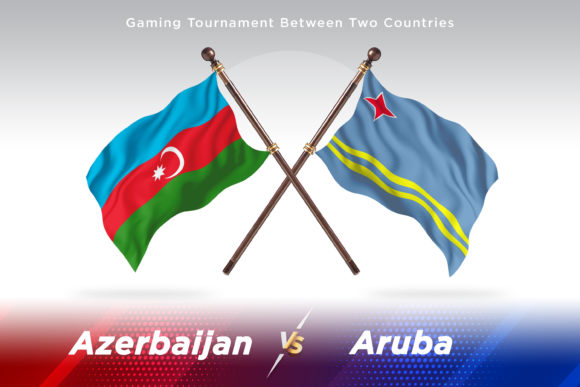
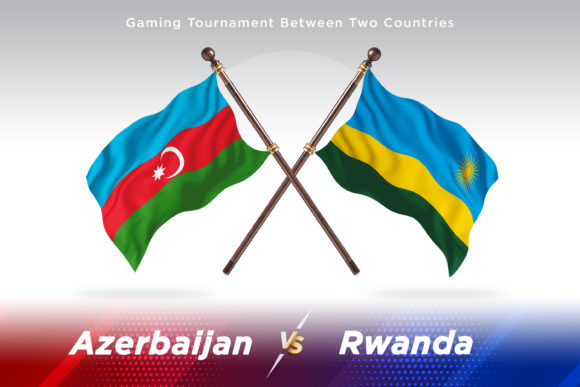
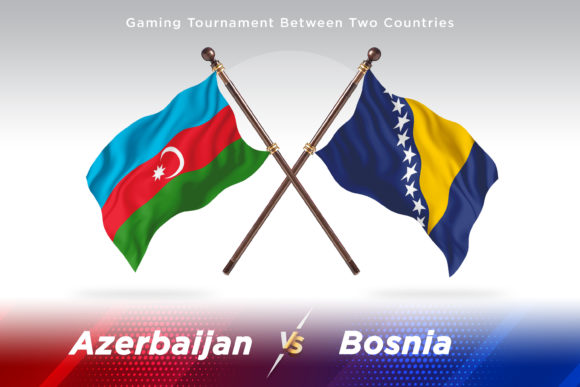
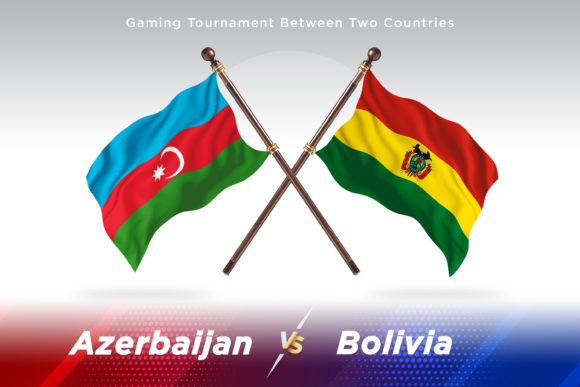
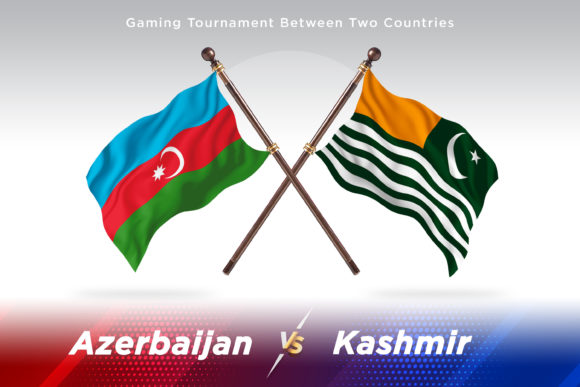
When it comes to visual storytelling, the right imagery can make a world of difference. For designers, marketers, educators, and content creators working on geopolitical or cultural projects, having accurate and visually appealing country flags is essential. The Azerbaijan Versus Kashmir Two Flags illustration offers a clean, high-resolution solution that fits seamlessly into various workflows. This concept provides a side-by-side comparison of two official flags—Azerbaijan and Kashmir—each isolated on its own layer in a 3D waving position against an isolated background.
Understanding the Azerbaijan Versus Kashmir Two Flags Concept
The Azerbaijan Versus Kashmir Two Flags design is more than just a graphic; it's a tool for clarity and engagement. It enables users to present a direct visual contrast between two distinct national symbols. The flags are rendered in a professional style, making them suitable for both digital and print media. This type of illustration is particularly useful in presentations, infographics, educational materials, marketing campaigns, and editorial designs where flag representation matters.
The illustration includes a layered Photoshop file (PSD), JPEG, and PNG formats, ensuring flexibility across different platforms and editing tools. Each flag is placed on a separate layer with a clearly labeled name, which simplifies the customization process. The use of smart objects allows for easy resizing and repositioning without compromising image quality.
Where Does This Illustration Fit Into a Broader Workflow?
Integrating the Azerbaijan Versus Kashmir Two Flags illustration into your workflow depends on your project’s scope and objectives. Here are some common scenarios where this asset proves valuable:
- Before a Project Starts: Use the illustration as part of your research phase when you need to visualize how flags will appear in your final design. This helps in aligning creative goals with factual accuracy.
- During the Creative Process: Incorporate the flags directly into your design work. Whether you're building a presentation or creating a social media post, having these assets ready can speed up production time significantly.
- After Completion: Repurpose the illustration for additional content such as case studies, reports, or even promotional material if you've created something based on the flags' symbolism or geography.
How to Use the Illustration Effectively
Here are some practical tips to help you get the most out of the Azerbaijan Versus Kashmir Two Flags illustration:
- Open the PSD File: Start by opening the Photoshop file. You'll notice that each flag is neatly organized on its own layer. This makes it simple to edit individual elements without affecting the rest of the design.
- Edit Using Smart Objects: The flags are embedded within smart objects, allowing you to scale, rotate, or apply filters without distorting the original artwork. This is especially important when maintaining resolution integrity for high-quality outputs.
- Customize the Background: Since the illustration features an isolated background, you can easily replace it with any color, texture, or image that complements your project’s theme.
- Export for Different Uses: The provided JPEG and PNG files are ideal for quick deployment. However, for advanced users who require transparency or further edits, the PSD version gives full control over the composition.
Integration with Other Tools and Resources
This illustration works well with other design resources such as stock images, maps, and infographics. For instance, if you're creating a geopolitical comparison infographic, the Azerbaijan Versus Kashmir Two Flags can serve as a central visual anchor. It also pairs effectively with data visualization tools like Tableau or Power BI when used in dashboards or reports related to international relations or cultural identity.
Additionally, the layered structure of the PSD file supports integration with vector-based software like Adobe Illustrator. You can extract the layers and incorporate them into scalable vector graphics for web or app development. If you're using design systems or templates, consider adding the flags as reusable components to maintain consistency across multiple projects.
Workflow Examples
Let’s look at a few real-world examples of how professionals might use this illustration:
1. Educational Presentations
An educator preparing a lesson on regional conflicts may use the Azerbaijan Versus Kashmir Two Flags illustration to introduce students to the countries involved. By placing the flags next to historical timelines or political maps, they can enhance the learning experience with clear, recognizable visuals.
2. Marketing Campaigns
A brand launching a campaign focused on global unity could utilize this illustration to emphasize differences while highlighting shared values. The flags’ 3D waving format adds dynamism to static layouts, helping to capture attention and convey motion.
3. Editorial Design
In magazine or blog articles discussing cultural identity, the illustration serves as a compelling lead image or infographic element. Its clean layout ensures readability, while the professional rendering meets publication standards for resolution and color accuracy.
Key Considerations for Implementation
To ensure smooth implementation, consider the following factors:
- Preparation: Know the context in which you’ll be using the flags. Are they representing countries in a conflict? In a trade agreement? Clarifying the purpose upfront helps in selecting the appropriate placement and styling.
- Compatibility: Confirm that the illustration format suits your platform. While JPEG and PNG are widely compatible, the PSD file is best suited for advanced editing tasks.
- Usability: Test the illustration in your intended output environment—whether it's a website, printed brochure, or PowerPoint deck—to ensure it looks sharp and conveys the right message.
- Organization: Take advantage of the well-structured layers to streamline your editing process. Labeling and grouping similar assets in your project folder can improve efficiency, especially when managing large-scale designs.
- Efficiency: Because the flags are pre-isolated and editable via smart objects, there’s no need to recreate or manually adjust them for every new use case. This saves time and reduces errors during the design phase.
- Consistency: When using the illustration repeatedly across different content types, maintain consistent positioning, sizing, and background treatments to reinforce brand identity and user familiarity.
- Quality Control: Always verify that the exported versions retain their quality. Check for pixelation, misalignment, or color shifts before publishing or printing.
- Long-Term Use: Store the original PSD file in a centralized asset library for future reference. This way, you can quickly access and modify the illustration as needed, without starting from scratch.
Enhancing Your Work with Additional Flags
If your project involves more countries beyond Azerbaijan and Kashmir, the illustration’s modular design makes it easy to expand. Simply request additional flags and integrate them using the same layering and formatting principles. This approach keeps your visual language uniform and professional, regardless of the number of flags included.
For example, if you're designing a multi-country comparison infographic, you can add flags for neighboring states or key partners in the region. Maintaining a consistent visual treatment across all flags enhances the overall professionalism of the piece and improves user comprehension.
Best Practices for Flag Representation
When working with country flags, it's important to observe certain best practices:
- Always use the correct aspect ratio and colors to avoid misrepresentation.
- Ensure the flags are not overlapped with text or other graphics in a confusing manner.
- Use transparent backgrounds whenever possible to allow seamless integration into existing designs.
- Respect the cultural and political significance of the flags being used.
The Azerbaijan Versus Kashmir Two Flags illustration already adheres to these guidelines, offering a reliable base for your creative needs.
Real-World Applications and Outcomes
Designers and content creators have successfully applied this illustration in a variety of contexts. One notable outcome is increased viewer engagement in comparative analyses due to the clarity and impact of the visual representation. Another benefit is the ability to quickly adapt the design for multilingual or multicultural audiences by pairing the flags with localized content.
Entrepreneurs and marketers have also found value in using the illustration to highlight partnerships or collaborations between regions. For instance, a travel company promoting cross-border cultural tours could feature the flags to symbolize the destinations involved.
Conclusion
The Azerbaijan Versus Kashmir Two Flags illustration is a versatile and professionally designed asset that supports a wide range of applications. From educational materials to marketing visuals, it offers a clear, accurate, and customizable way to represent two distinct national identities side by side. By understanding how to implement and integrate it into your workflow, you can enhance your projects with meaningful, high-quality visuals that resonate with your audience.