Azerbaijan Versus Nicaragua Two Flags: A Creative Tool for Global Representation
When it comes to visual design that incorporates country flags, clarity, professionalism, and accuracy are essential. The concept of "Azerbaijan Versus Nicaragua Two Flags" is not only a creative illustration but also a practical resource for designers, marketers, educators, and anyone looking to visually represent the comparison or contrast between these two distinct nations. This article explores what this illustration entails, how it can be used effectively, and the value it brings across different industries.
What Is Azerbaijan Versus Nicaragua Two Flags?
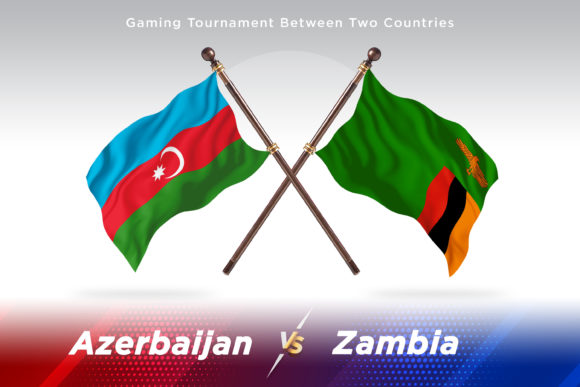
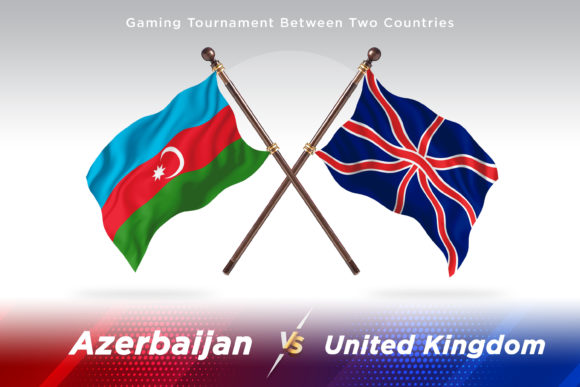
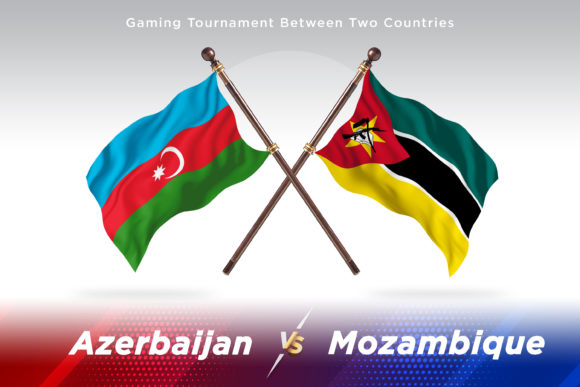
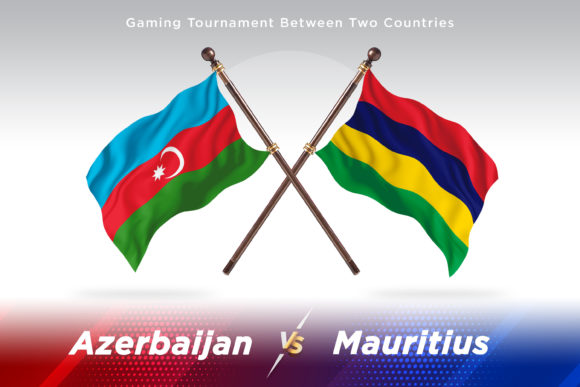
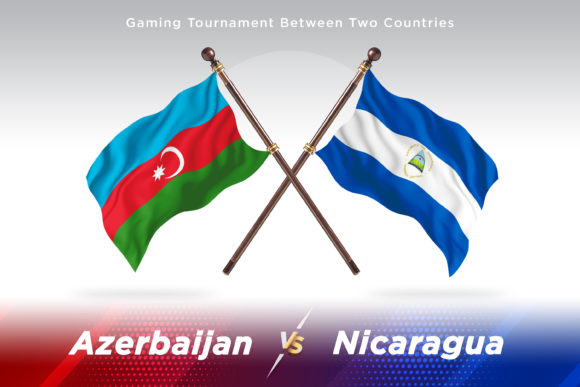
The "Azerbaijan Versus Nicaragua Two Flags" illustration is a high-resolution 3D graphic featuring the official national flags of Azerbaijan and Nicaragua in a dynamic waving position. Designed for versatility, each flag is placed on its own isolated layer within a PSD file, allowing for easy customization and editing. The illustration typically places the two flags side by side or in a symbolic confrontation, depending on the context of use. It includes both JPEG and PNG formats for convenience, ensuring compatibility with various digital platforms and print media.
This type of illustration is commonly used in contexts such as sports events, cultural comparisons, geopolitical discussions, marketing campaigns, and educational materials. Its clean, professional design makes it suitable for both formal presentations and more casual content creation.
Challenges in Using Country Flag Illustrations
Designing with country flags presents several challenges. First, maintaining the correct proportions and colors of each flag is crucial to avoid misrepresentation. Second, integrating flags into a cohesive visual layout while preserving their individuality can be complex. Third, many users struggle with finding high-quality, editable assets that allow for personalization without compromising the integrity of the original design.
These challenges become even more pronounced when dealing with less commonly used combinations like Azerbaijan versus Nicaragua. Designers often have to source each flag separately, which can lead to inconsistencies in style, resolution, or format. Additionally, the lack of pre-organized layers increases the time required for editing and positioning the flags correctly within a composition.
Goals and Needs Addressed by the Illustration
The "Azerbaijan Versus Nicaragua Two Flags" illustration is specifically crafted to meet the following goals:
- Accuracy: Ensuring that both flags are represented using the officially recognized designs.
- Isolation: Providing each flag on its own layer so they can be moved, resized, or modified independently.
- Customization: Offering smart object support in the PSD file, making it simple for users to add logos, text, or other branding elements.
- Consistency: Delivering a unified background and visual style to maintain a professional look across both flags.
Whether you're preparing a presentation for an international business meeting or designing promotional material for a global event, having access to a well-structured and accurate flag illustration can significantly streamline your workflow and enhance your final output.
Practical Applications and Outcomes
There are numerous scenarios where the "Azerbaijan Versus Nicaragua Two Flags" illustration can be beneficial. Here are some common applications:
- Marketing and Branding: Use the illustration in campaigns targeting audiences from either country, especially in regions with strong diaspora communities or trade relations.
- Geopolitical Analysis: Visualize comparative studies or reports involving these two countries in a clear and impactful way.
- Cultural Projects: Incorporate the flags into art installations, posters, or educational resources to highlight diversity and global connections.
- Sports Events: Represent matches or competitions between teams from Azerbaijan and Nicaragua with a visually engaging backdrop.
- Travel Industry: Showcase the flags in travel brochures or website banners to emphasize destinations or cultural experiences.
In each case, the illustration serves as a foundation for further design work. For instance, a designer might overlay statistics, quotes, or event names onto the flags to create a compelling visual narrative. The ability to edit via smart objects ensures that changes remain non-destructive, preserving the quality of the design during revisions.
How Different Users Can Approach the Illustration
Depending on the user's background and purpose, the approach to utilizing the "Azerbaijan Versus Nicaragua Two Flags" illustration may vary:
- Graphic Designers: They can leverage the layered PSD file to integrate the flags into larger compositions, adjust lighting, or apply effects without altering the core flag graphics.
- Marketers: Marketers can use the JPEG or PNG versions directly in social media posts, email newsletters, or website banners to quickly convey a message about cross-border collaboration or competition.
- Teachers and Educators: In classrooms, the illustration can serve as a visual aid to teach geography, history, or international relations, especially when comparing regions or cultures.
- Content Creators: Bloggers, YouTubers, or podcasters can use the image to accompany discussions on topics like economic partnerships, political systems, or cultural exchanges between the two countries.
Each group benefits from the illustration’s flexibility and attention to detail. The key is understanding how to tailor the design to meet specific communication objectives while staying true to the original intent of the asset.
Useful Considerations When Implementing the Illustration
To make the most of the "Azerbaijan Versus Nicaragua Two Flags" illustration, consider the following best practices:
- Respect Cultural Sensitivities: Always ensure that the flags are used appropriately and respectfully. Avoid placing them in positions that could be seen as diminishing one nation over another unless the context clearly supports such a depiction (e.g., a sports match).
- Maintain Proper Proportions: Never stretch, distort, or alter the flag shapes beyond their standard dimensions. The illustration already provides the correct aspect ratios, so resizing should be done proportionally.
- Layer Organization: Take advantage of the well-organized layers in the PSD file to build more complex visuals efficiently. Rename layers if needed to suit your project structure.
- Background Context: While the illustration offers an isolated background, think about how it will fit into the overall design. Will it sit against a white backdrop or blend into a colored theme? Make sure the background complements the flags rather than distracts from them.
- Additional Resources: If your project requires more flags beyond those included in the bundle, don’t hesitate to request additional assets. Many designers find themselves needing to expand the scope of their visual comparisons, and having access to more flags can enhance the depth of your message.
By keeping these considerations in mind, users can ensure that their designs are not only visually appealing but also culturally appropriate and technically sound.
Real-World Examples and Recommendations
Let’s look at a few examples of how the "Azerbaijan Versus Nicaragua Two Flags" illustration can be applied:
- Educational Infographic: A teacher creates a lesson plan on regional differences in Central America and the Caucasus. By including the flags of Azerbaijan and Nicaragua, students can better visualize the geographical and cultural distinctions being discussed.
- International Business Pitch: A company seeking to establish trade routes between Azerbaijan and Nicaragua uses the illustration in a slide deck to symbolize the partnership and shared goals between the two countries.
- Event Poster Design: An international cultural festival features a matchup between traditional dances from Azerbaijan and Nicaragua. The poster uses the flags to frame the event and attract attendees familiar with both traditions.
For optimal results, always pair the illustration with relevant content. Whether it's text, data points, or other images, the flags should complement the message rather than overshadow it. Also, consider using the JPEG version for online use and the PNG for transparent backgrounds, depending on your platform requirements.
Conclusion
The "Azerbaijan Versus Nicaragua Two Flags" illustration is a powerful and versatile tool for anyone who needs to visually represent these two countries in a clear, professional manner. With its 3D waving effect, isolated layers, and smart object support, it allows for seamless integration into a wide range of projects. From marketing to education, the illustration meets the need for accuracy, customization, and aesthetic appeal.
By addressing common design challenges and offering a structured yet flexible format, this illustration helps users communicate their message more effectively. As globalization continues to shape our world, having access to high-quality, ready-to-use country flag visuals becomes increasingly valuable. Whether you're highlighting contrasts, celebrating diversity, or simply informing an audience, the "Azerbaijan Versus Nicaragua Two Flags" illustration is a reliable and creative solution.