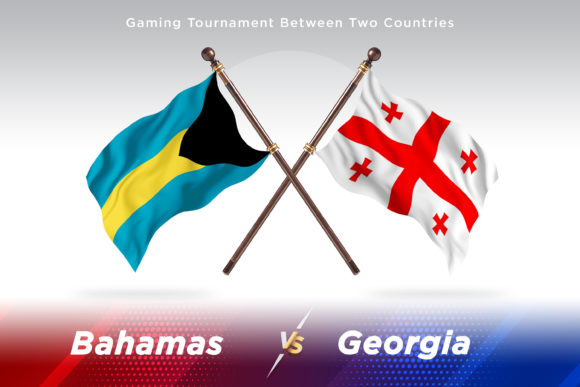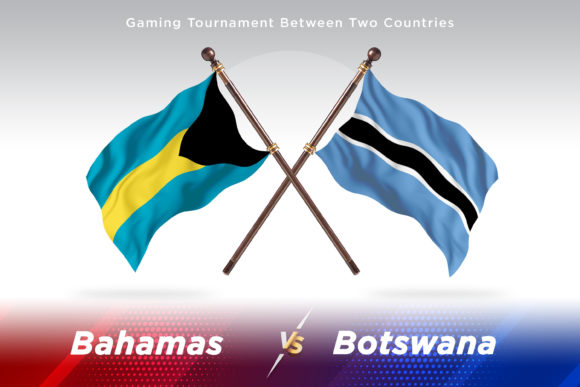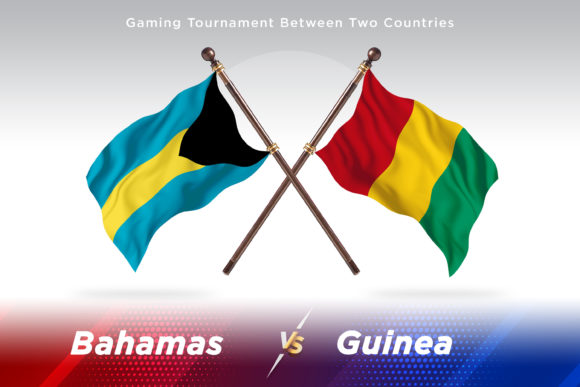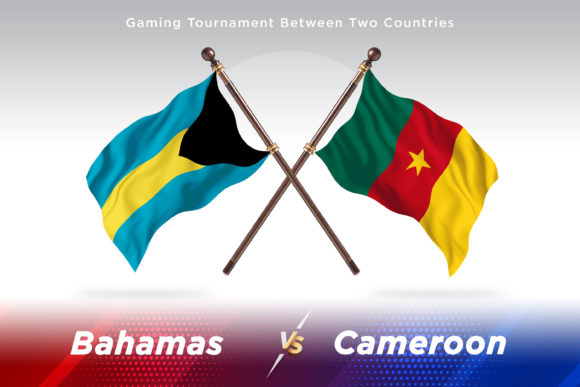
Bahamas Versus Bangladesh Two Flags: A Visual and Symbolic Comparison
The concept of country flags is deeply rooted in national identity, history, and culture. When comparing the Bahamas flag with the Bangladesh flag, one can observe not only their visual differences but also the unique stories each represents. These two flags, though from vastly different parts of the world, both serve as powerful symbols of sovereignty, pride, and heritage. Understanding their design elements, meanings, and applications provides a broader appreciation for how nations express themselves through such emblems.
Design Elements and Symbolism
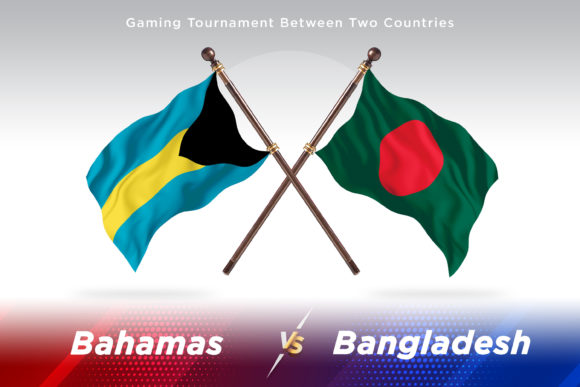
The Bahamas flag consists of a diagonal cross (saltire) that divides the flag into four alternating sections of aquamarine and gold. The saltire itself is white and features three black stars. The colors represent the sea, sand, and sun, while the stars symbolize the three main islands of the Bahamas: New Providence, Grand Bahama, and Andros. This design reflects the tropical nature and natural beauty of the nation, emphasizing its geographical and cultural essence.
In contrast, the Bangladesh flag is a simple yet profound green field with a red circle at its center. The green color stands for the lush vegetation and fertility of the land, while the red circle represents the bloodshed during the country's struggle for independence from Pakistan in 1971. The flag’s minimalist approach highlights the resilience and determination of the Bangladeshi people, making it a poignant reminder of their national journey.
Color Psychology and National Identity
Colors play a crucial role in flag design, often chosen to evoke specific emotions or ideas. The Bahamas flag uses warm tones like gold and aquamarine to reflect optimism and prosperity, fitting for a country known for its tourism and natural resources. On the other hand, Bangladesh’s use of green and red aligns with themes of life, growth, and sacrifice—key aspects of its national narrative.
These symbolic choices are not arbitrary. They are carefully selected to resonate with the population and communicate core values on a global stage. For instance, the red circle in Bangladesh’s flag is positioned so that it would appear in the upper hoist corner when the flag is flown correctly, reinforcing its prominence and importance in the country’s symbolism.
Applications and Use Cases
Flags are used in various contexts, from official government representation to educational materials and commercial branding. In the case of the Bahamas versus Bangladesh Two Flags concept illustration, this design serves multiple practical purposes:
- Graphic Design Projects: Professionals in the creative industry often require high-quality flag assets for presentations, marketing materials, or digital content. Having each flag isolated on its own layer makes it easy to manipulate individual components without affecting the rest of the design.
- Comparative Studies: Educators and researchers may use these illustrations for teaching about geography, politics, or cultural studies. The clarity of the design allows for side-by-side analysis, enhancing understanding among students and learners.
- Editorial Content: Journalists and bloggers can incorporate the flags into articles or infographics discussing international relations, travel guides, or political events. The ability to edit via smart objects ensures that the flags remain crisp and professional even after customization.
- Business Presentations: Companies involved in global trade or partnerships might need to showcase the flags of their key markets. The Bahamas and Bangladesh flags, included in this bundle, provide accurate and scalable visuals for such purposes.
Technical Features for Flexibility
This illustration includes a comprehensive set of technical assets designed for maximum flexibility:
- A PSD file with well-organized layers, allowing designers to modify each element independently.
- A JPEG file suitable for quick sharing or embedding in web pages where layered editing isn’t necessary.
- A PNG file for transparent backgrounds, ideal for digital banners, logos, or overlays.
By offering these formats, the package caters to a wide range of users—from those who need pixel-perfect precision to those who prefer streamlined workflows. The inclusion of smart objects further enhances usability, enabling edits to be made without compromising image quality.
Real-World Relevance and Cultural Insight
When considering the Bahamas versus Bangladesh Two Flags in a real-world context, it becomes clear how much more they represent than just colors and shapes. Each flag tells a story about its nation’s past, present, and aspirations for the future.
The Bahamas flag, with its nautical motifs, is frequently used in promotional material for the tourism sector, which is central to the country’s economy. Its vibrant colors appeal to a global audience and help reinforce the brand of the islands as a tropical paradise.
The Bangladesh flag, by comparison, carries a historical weight. It is prominently displayed during national holidays, political demonstrations, and academic discussions, serving as a constant reminder of the country’s hard-won independence and its commitment to progress and unity.
Flag Illustration in Modern Workflows
With the increasing demand for high-resolution and customizable assets, having access to an illustration like the Bahamas versus Bangladesh Two Flags is invaluable. The 4500 x 3000 px resolution ensures that the image remains sharp and detailed, even when scaled up for large-format printing or digital displays.
Moreover, the 3D waving effect adds a dynamic touch to the illustration, making it visually engaging and lifelike. Whether you're creating a background for a presentation or designing a poster for an international event, this feature helps bring your visuals to life.
Organizational Benefits and User-Friendly Structure
For users working with complex designs, the organization of layers within the PSD file is essential. The Bahamas versus Bangladesh Two Flags illustration has been structured to allow seamless integration into larger projects. Each flag is placed on a separate layer with clearly labeled names, making it easy to adjust positioning, scale, or add effects individually.
This level of detail is particularly useful for designers who need to create mockups involving multiple countries. It eliminates the need to search for additional assets and streamlines the workflow, saving time and ensuring consistency across all visual elements.
Customization and Scalability
Thanks to the smart object functionality, users can easily change the size, color, or orientation of the flags without losing any quality. This is especially beneficial for businesses that want to incorporate these flags into branding or promotional campaigns tailored to their target audience.
Additionally, if the user requires flags from other countries not included in the current bundle, they can request them separately. This adaptability makes the Bahamas versus Bangladesh Two Flags illustration part of a potentially expansive collection of global flags, each contributing to a richer visual language.
Comparing Flag Designs: Practical Observations
While the Bahamas flag is intricate and colorful, the Bangladesh flag is minimalistic and bold. These differences make each flag uniquely suited to its intended purpose. The Bahamas flag is often used to convey warmth and accessibility, whereas the Bangladesh flag is more likely to appear in formal or commemorative settings.
Another point of comparison is the placement of symbols. The Bahamas flag includes three stars, which are relatively small but carry significant meaning. The Bangladesh flag, in turn, places its red circle centrally, drawing immediate attention and emphasizing its message of unity and sacrifice.
Choosing the Right Format for Your Needs
Depending on your project requirements, selecting the appropriate file format is essential. Here’s a quick breakdown of when to use each:
- PSD: Ideal for designers who need full control over the composition, including layer adjustments and smart object editing.
- JPEG: Best for standard digital use cases where transparency is not required, such as website headers or social media posts.
- PNG: Perfect for designs that require a transparent background, such as app icons, banners, or layered compositions.
Each format offers distinct advantages, ensuring that users have the right tools to match their creative goals. Whether you're preparing a report, designing a logo, or building a presentation, there's an option here that fits your needs.
Conclusion Through Application
Understanding the Bahamas versus Bangladesh Two Flags goes beyond mere aesthetics—it involves recognizing the depth of meaning behind each design. By using these flags in a well-structured and editable format, professionals and hobbyists alike can leverage their symbolic power effectively in various fields.
From education to commerce, from art to technology, the right flag illustration can enhance communication and engagement. With proper layering and smart object support, the Bahamas and Bangladesh flags become versatile tools that can be adapted to suit nearly any creative challenge.