Bahamas Versus Botswana: A Visual Comparison Through Country Flags
When it comes to understanding the identity and symbolism of nations, few representations are as powerful and recognizable as their official country flags. The flag is more than just a piece of cloth; it's a symbol of history, culture, values, and national pride. In this article, we'll explore the visual comparison between the Bahamas and Botswana flags through an illustrative concept titled "Bahamas Versus Botswana Two Flags." This illustration not only showcases these two distinct flags but also provides a creative and educational tool for those interested in geography, design, or cultural representation.
The Concept Behind "Bahamas Versus Botswana Two Flags"
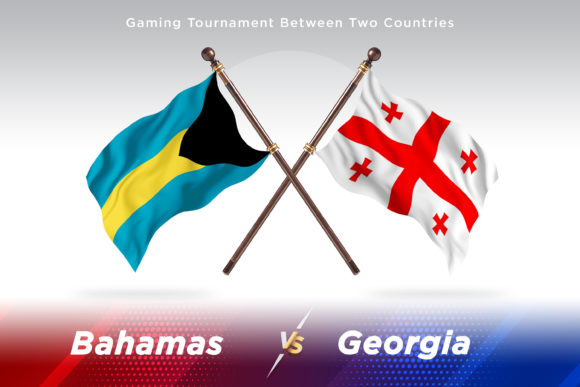
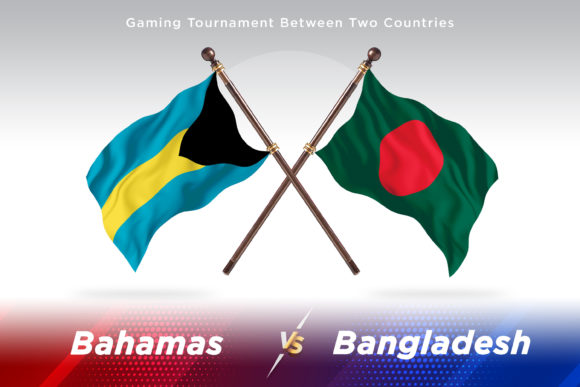
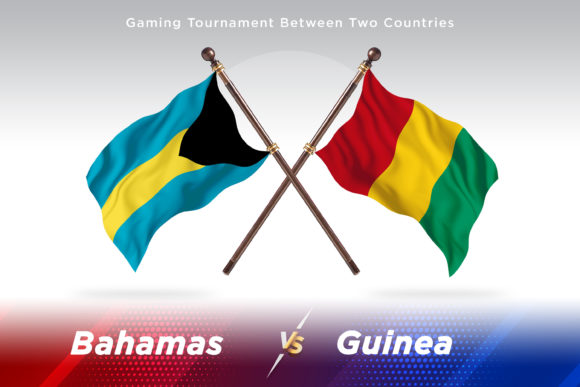
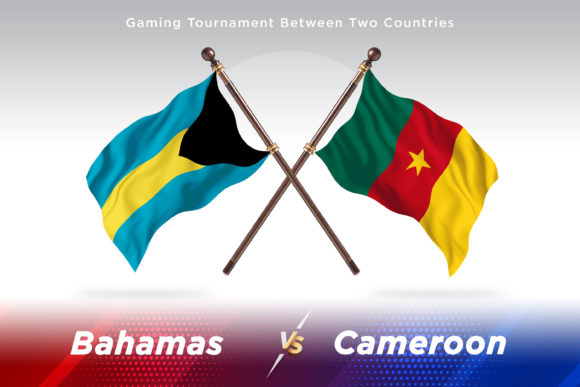
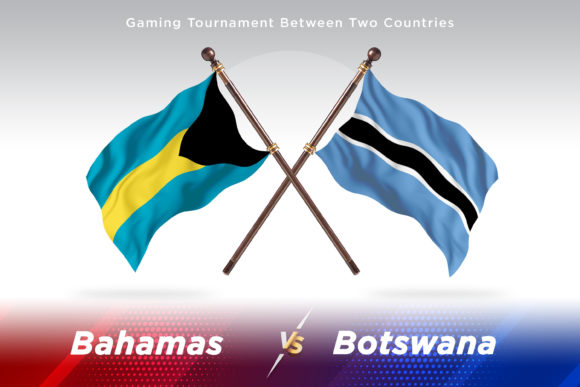
The idea of a "Two Flags" illustration is simple yet effective: it places the flags of two different countries side by side in a 3D waving format on an isolated background. This allows viewers to appreciate the unique designs, colors, and symbols that represent each nation without any distractions. The concept can be applied to any pair of countries, making it a versatile resource for designers, educators, and businesses looking to highlight geographical diversity or create engaging visual content.
One of the most popular versions of this concept is the Bahamas versus Botswana Two Flags illustration. This version has been meticulously crafted using high-resolution digital formats such as PSD, JPEG, and PNG, allowing users to customize the design with ease. Each flag is placed on its own layer within the PSD file, complete with the correct name labeling, enabling easy editing via smart objects. This makes it ideal for use in presentations, marketing materials, school projects, or even as part of a larger infographic or poster design.
The Flag of the Bahamas
The flag of the Bahamas consists of three horizontal stripes—blue, yellow, and blue—with a black equilateral triangle at the hoist end (the left side). The colors hold deep meaning:
- Blue represents the sea and sky surrounding the islands.
- Yellow symbolizes the sun and the sand of the beaches.
- Black stands for the strength and perseverance of the Bahamian people.
This flag was adopted on July 10, 1973, when the Bahamas gained independence from the United Kingdom. Its design reflects the natural beauty and cultural heritage of the archipelago, which is known for its stunning turquoise waters and vibrant Caribbean community.
The Flag of Botswana
In contrast, the flag of Botswana features a horizontal tricolor of blue, black, and red, with a white-edged emblem in the center representing a shield and crossed spears. Here’s what each element signifies:
- Blue symbolizes the sky and water resources essential to the country.
- Black honors the people and their African heritage.
- Red represents the blood shed during the struggle for independence and the unity among citizens.
Adopted in 1966 when Botswana became independent from British colonial rule, the flag embodies the nation's resilience and commitment to peace and progress. It is a proud symbol of one of Africa’s most stable democracies.
Visual Design and Creative Applications
The "Bahamas Versus Botswana Two Flags" illustration is designed to be visually striking while maintaining clarity and simplicity. By isolating each flag on its own layer, the illustration supports various uses in graphic design. Whether you're creating a travel brochure, a classroom presentation, or a logo that incorporates both flags, the layered structure ensures flexibility and precision.
Here are some common applications where this type of illustration proves useful:
- Education: Teachers can use the illustration to help students learn about the differences between countries, their histories, and cultures.
- Travel Industry: Travel agencies and tour companies often include such visuals to highlight destinations and promote cultural awareness.
- Graphic Design Projects: The clean, isolated layout of the flags makes them perfect for incorporating into digital art, web graphics, or social media content.
- Business Branding: Companies operating in multiple regions may use flag illustrations to showcase their international presence.
Additionally, the inclusion of a JPEG and PNG file offers users quick access to ready-to-use images, while the PSD file provides full customization options. This multi-format approach ensures that the illustration meets the needs of both beginners and professionals in the design field.
Why Use Official Country Flags in Illustrations?
Using official country flags in illustrations serves several purposes. First and foremost, it promotes accuracy and respect for national symbols. Many countries have strict guidelines regarding how their flags should be displayed, especially in terms of proportions and color fidelity. An illustration like "Bahamas Versus Botswana Two Flags" adheres to these standards, ensuring that the flags are represented correctly.
Secondly, official flags help foster a sense of global awareness. When used in educational or professional settings, they serve as conversation starters and learning tools. For example, a teacher might use the illustration to compare the climates and geographies of the Bahamas and Botswana based on the flag colors. A designer could use it to understand how different nations express their identities through visual elements.
Finally, such illustrations are valuable for cultural sensitivity training and international business development. Understanding the meaning behind flags helps professionals avoid missteps in cross-cultural communication and better connect with global audiences.
Practical Relevance in Modern Contexts
In today's digital age, the ability to quickly and accurately incorporate country flags into visual content is more important than ever. With globalization shaping industries, education, and entertainment, having a reliable and customizable flag illustration is crucial. The "Bahamas Versus Botswana Two Flags" concept fits seamlessly into modern workflows, whether you're designing a website, preparing a PowerPoint presentation, or creating a marketing campaign targeting specific regions.
For instance, a travel blog discussing tropical destinations might use the Bahamas flag to emphasize beach culture and ocean activities, while the Botswana flag could be featured in a post about wildlife safaris and African traditions. By placing them together in a well-organized design, the illustration adds a professional touch that enhances user engagement and information retention.
Moreover, the smart object feature in the PSD file allows designers to scale, recolor, or reposition the flags without losing quality. This is particularly beneficial when creating custom templates or branding materials that require consistent and high-quality visuals across multiple platforms.
Expanding the Concept: Beyond Bahamas and Botswana
While the "Bahamas Versus Botswana Two Flags" illustration is a great starting point, the concept can be extended to other countries as well. If you need to include additional flags not present in the current bundle, many designers offer the option to request and add new ones. This adaptability makes the illustration a dynamic asset for anyone who wants to compare different nations or create a collage of global flags.
Some examples of how this could be expanded include:
- Africa vs. Asia: Comparing flags from different continents to explore regional diversity.
- Small Nations Showcase: Highlighting flags of smaller countries like Iceland, Bhutan, or Malta to celebrate underrepresented nations.
- Historical Flag Evolution: Showing how certain flags have changed over time to reflect political shifts or cultural evolutions.
Each new addition brings fresh opportunities for learning and creativity. These illustrations can become part of a larger project, such as a world map overlay, a cultural timeline, or a digital storytelling platform.
Common Misunderstandings About Country Flags
Despite their widespread use, many people still misunderstand the significance of country flags. Some assume that similar color schemes mean similar cultures or histories, but this isn’t always the case. For example, the Bahamas and Botswana both have black in their flags, but for very different reasons. In the Bahamas, black represents strength and perseverance, while in Botswana, it pays homage to the African heritage and population.
Another misconception is that all flags are static. In reality, many flags are designed to be seen in motion, especially when used in public spaces or digital media. The 3D waving position in the "Two Flags" illustration captures this movement, making the design feel more alive and authentic.
It’s also worth noting that some flags contain subtle details that are often overlooked. For example, the Botswana flag includes a white border around the emblem, which symbolizes peace and harmony. These nuances can greatly enhance the educational value of the illustration when presented correctly.
How to Incorporate the Illustration into Your Work
If you’re considering using the "Bahamas Versus Botswana Two Flags" illustration in your work, here are a few tips to make the most of it:
- Understand the context: Before using the flags, research their meanings and ensure they’re appropriate for the message you want to convey.
- Use smart objects for edits: The PSD file allows you to modify the flags easily, so take advantage of this feature to tailor the design to your needs.
- Maintain resolution and clarity: Always use the highest-resolution files available to keep the image sharp and professional, especially for print or large displays.
- Keep the layers organized: Since each flag is on its own layer, you can rearrange, duplicate, or animate them individually without affecting the rest of the composition.
Whether you're a student, a designer, or someone with a casual interest in geopolitics, this illustration provides a clear and artistic way to engage with the flags of two fascinating countries. Its structured layout and attention to detail make it a go-to resource for anyone who wants to bring a touch of realism and symbolism to their visual projects.
Conclusion
The "Bahamas Versus Botswana Two Flags" illustration is more than just a design asset—it’s a gateway to understanding the stories behind national symbols. By offering a clear, visually appealing, and editable format, it empowers users to explore, educate, and innovate with confidence. As we continue to live in an interconnected world, the ability to recognize and respect the flags of different countries becomes increasingly important. This illustration, along with others in the same style, plays a key role in promoting global awareness and appreciation for the rich tapestry of national identities around the globe.